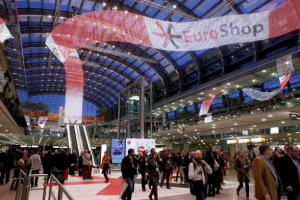
Mannequin Collection Launching at EuroShop 2026
As you may have seen, our sister brands Kesslers London and Genesis Mannequins will be exhibiting at the iconic EuroShop 2026. While Proportion London won’t

Home » 10 common mistakes to avoid in visual merchandising
Visual merchandising is a hugely important marketing tool for attracting customers and boosting sales, visual merchandising mistakes and ineffective retail displays can have a negative impact on its effectiveness.
In this article, we’ll explore ten common visual merchandising mistakes retailers make and offer you practical tips to help you avoid them. Whether you’re refreshing your window displays or fine-tuning your store layout, these insights will help you create a more engaging and profitable shopping experience.
Visual merchandising mistakes can lead to ineffective retail displays and, ultimately, a lack of customers. In this section of the article, we will break down some bad visual merchandising examples so that you know what to avoid when planning your retail store layout.
Your window displays are the first thing your potential customers see of you. They showcase your product range to people who are walking past, and give your customers their first impression of your store. If your window displays are badly designed or simply boring, potential customers will walk past without a second look!
For example, a dull, cluttered window display that doesn’t have a clear focal point prevents potential customers having a clear understanding of the products you have on offer, and won’t inspire them to come in off the street and browse your products. A fantastic in-store experience doesn’t matter if nobody is being enticed to enter!
The best way to combat this is to ensure that your window displays are bold, creative, and refreshed often. Make sure to plan your window displays in advance to ensure you update them regularly and aren’t stuck for ideas, and take inspiration from the seasons, upcoming holidays and competitors in a similar niche (but no copying – use your own voice to tell your unique story!)
Having a clear theme is essential for guiding your customers and helping them quickly understand what products you offer. A well-defined theme creates a cohesive experience that makes it easier for customers to navigate your store.
When your displays lack a consistent theme, it can confuse and overwhelm shoppers. A scattered or inconsistent display fails to draw attention to your key products and can make the shopping experience feel disorganised, ultimately stopping shoppers from purchasing.
For example, a display that mixes both summer and winter clothing lacks cohesion and makes the display feel chaotic and less inviting. To avoid this, create displays that follow a single theme, whether it’s seasonal, product-focused, or based on a colour palette. Cohesive themes help to tell a visual story and create a more engaging shopping experience.
An important aspect of store design is ensuring that your displays look clean, balanced and intentional, rather than overcrowded or messy.
Overcrowded displays are an easy way to overwhelm shoppers. Cramming too many products onto one shelf or into one section of the store makes the place look untidy and gives off a ‘jumble sale’ feel – not ideal for premium or high end stores. Shoppers may struggle to focus on any one item, and too much choice in one place often leads to indecision.
When designing the layout of your displays, prioritise quality over quantity and keep your products organised. Be sure to curate the selection carefully, showcasing only the best or most relevant products. This allows shoppers to engage with each product without feeling overwhelmed and ensures your display looks intentional.
Another way of stopping your customers from seeing your products is by lighting them badly. Lighting that is overly harsh or too dim can detract from products, preventing shoppers from seeing what the products look like in natural lighting.
Instead of lighting your displays with unflattering fluorescent lights, use targeted warm lighting to highlight key items, and (if you can) make the most of natural lighting from windows and doors. This way, not only will your customers be able to see everything you have on offer, they will also get a better idea of what they will look like outside of the store.
Outdated displays can make your store look neglected or unkempt. For example, a Valentine’s Day display that is still up in March can create confusion, making customers think your store is either behind the times or not actively maintained. Not only does this hurt your brand image, but it can also turn off shoppers who are expecting fresh, relevant products when they visit.
Regularly updating your displays keeps things fresh and aligned with current seasons, promotions, or product launches. This can be as simple as rotating products for the upcoming season or swapping out featured items to reflect a new trend or special offer. By making sure your displays are up to date, you show customers that your store is dynamic, engaged with what’s current, and always offering something new to discover.
An often overlooked area of a store is the till area. Although you may think that the till doesn’t need to look aesthetically pleasing or be well thought-out, that actually cannot be further from the truth. The till is the final hurdle between customers making the purchase or abandoning their basket, so it needs to offer a positive experience.
A small or cluttered checkout area can frustrate customers. Without enough space around the till to display impulse buys or offer a smooth transaction process, the checkout experience becomes stressful and less efficient. Customers are likely to feel rushed or crowded, which may lead them to abandon their purchases or make negative comments about their visit.
A small store cannot be helped, but keeping the till area clear and organised not only improves the overall flow of your store but also provides opportunities for additional sales. Having space for small add-on items right by the checkout can encourage last-minute purchases and boost your sales without creating a cluttered feel.
The saying ‘eye level is buy level’ is popular for a reason! Products displayed too high or too low can go unnoticed, especially if they’re out of the customer’s natural line of sight. For example, items stacked on high shelves or those at the back of bottom shelves are much less likely to be found by browsers, unless your customers are actively searching for that particular product.
To increase visibility of your more popular or higher value products, position them at eye level. This not only ensures that the most popular products are seen first, but also creates a space where customers are naturally drawn to browse and interact with your offerings. In fact, a recent study has found that products displayed at eye level have 23% more potential to sell than those displayed higher or lower!
A poorly designed store layout is a recipe for disaster! If you have mannequins or displays that take up too much space, or the aisles in your store are unorganised and lead to nowhere, you may be inviting your customers to abandon their baskets and leave the store empty-handed!
Potentially one of the biggest visual merchandising mistakes, a badly organised aisle layout and ineffective retail display can create bottlenecks, making it difficult for customers to navigate the space.
For example, if customers are stuck in one part of the store because of a poor layout, they may not feel inclined to explore other sections or make additional purchases.
To avoid traffic flow issues, ensure your layout is well-planned and accommodates the movement of customers from one section to another. This can be achieved by designing wide aisles, ensuring there’s enough space for people to pass, and arranging products in a way that directs customers naturally through the store.
Following on from the previous point, poor signage can create confusion of the flow and direction of traffic, and make it difficult for customers to find the products they’re looking for.
Unclear signage, handwritten signs or missing price tags can make your store feel disorganised, which may lead customers to question the professionalism of your brand. If your signage is inconsistent or unclear, it can also distract from the overall shopping experience.
To improve the customer experience, use clear, professional signage that’s easy to read and consistent across your store. This includes well-designed price tags, directional signs, and product labels that help customers navigate the space with ease.
Interactive displays are a powerful tool for engaging customers, especially for high-end retailers. Without opportunities for customer interaction, such as testing makeup, trying on clothes, or sampling food, customers may not feel as connected to your products. As well as this, interactive displays tend to increase the customer dwell time, and research has found that a 1% increase in dwell time can result in a 1.3% increase in sales!
Including interactive displays, such as product demos, touchscreens, or trial stations, can significantly improve the shopping experience. Customers are more likely to make a purchase if they can test products before buying them, and these interactive experiences create lasting impressions and increase the likelihood of returning customers.
At Proportion London, we have decades of visual merchandising experience in helping our customers to display their products in an aesthetically-pleasing way that improves their sales and attracts customers.
We have various different mannequins, rails and busts available for both purchase or hire, depending on what you require. Our experience allows us to help design captivating displays in retail stores, museums and showcases!
Get in contact with us today to discuss your requirements and discover how we can help you.
As you may have seen, our sister brands Kesslers London and Genesis Mannequins will be exhibiting at the iconic EuroShop 2026. While Proportion London won’t

Now 2025 is quickly coming to an end, the team are having a look back at all the iconic moments over the year. Some incredible

2025 was a year filled with exceptional stores, window displays, and of course – fashion. Visual merchandising in London proves every year it is an