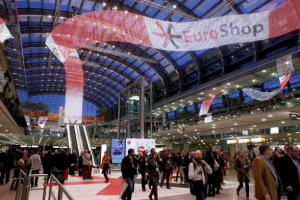
Mannequin Collection Launching at EuroShop 2026
As you may have seen, our sister brands Kesslers London and Genesis Mannequins will be exhibiting at the iconic EuroShop 2026. While Proportion London won’t

Home » 5 facts about London Fashion Week that you didn’t know
London Fashion Week is one of the biggest events in the global fashion calendar, but beyond the catwalk and the cameras lies a fascinating world that many may not ever see. With decades of history, unexpected firsts, and industry shaping moments, it’s an event that continues to surprise year after year.
As we look to head into London Fashion Week 2025, we’ve rounded up five facts that you may not know!
The first fashion week in London took place in 1984, but rather than a big eye-catching venue, it was held in the car park of the Commonwealth Institute. Organised by the British Fashion Council, it featured just 15 shows and a modest designer exhibition space.
This iconic debut set the tone for what would become one of the world’s most prominent fashion shows. Designers like Betty Jackson and Bodymap were part of that original line-up, injecting energy into London Fashion Week right from the start.
Each year, London Fashion Week generates hundreds of millions for the UK economy. International buyers, media moguls, mannequin buyers and stylists descend on the capital, turning London into a hub of commerce.
Ultimately, it supports emerging designers, fuels retail partnerships, and drives demand for visual presentation, whether through high end showrooms or backstage installations.
In 2024, London Fashion Week announced that they’re banning the use of exotic animal skins. This shift wasn’t just symbolic, it showed London’s leadership in sustainable and ethical fashion.
The move aligned with the growing number of designers focusing on vegan alternatives, upcycled materials, and transparent supply chains. As sustainability continues to lead the conversation, London Fashion Week 2025 is expected to further its commitment to conscious creativity.
In 2020, the British Fashion Council made the decision to merge LFW and LFW Men’s, opening the door for a more inclusive and progressive format. Designers like Harris Reed embraced this change, showcasing innovative unisex and gender-neutral collections that challenged traditional runway norms and broadened the definition of fashion expression.
The event also now positions itself as a “digital, gender-neutral platform,” offering access to both menswear and womenswear via its official online hub. This shift marks a significant moment in London Fashion Week history, inviting consumers into a space once reserved for insiders and giving emerging designers an equal platform to shine.
London Fashion Week has been hosted everywhere from South Kensington’s Natural History Museum to Somerset House and, most recently, 180 The Strand. These rotating venues reflect the city’s evolving design identity and keep the event feeling fresh.
While Paris may have the Eiffel Tower and Milan its palazzos, London’s choice of venues tells a story of creativity and modernism, core values that are echoed on every runway and within every installation.
From its humble beginnings in a car park to its stance on ethical fashion and its growing digital presence, London Fashion Week continues to shape the global style conversation in surprising and powerful ways.
As we look ahead to London Fashion Week 2025, Proportion London remains a trusted name in supporting designers, stylists, and creatives behind the scenes. From mannequins that bring collections to life to tailored visual merchandising solutions, our collections are crafted to meet the demands of fashion’s biggest stage. If you would like to find out more, get in contact with us today.
As you may have seen, our sister brands Kesslers London and Genesis Mannequins will be exhibiting at the iconic EuroShop 2026. While Proportion London won’t

Now 2025 is quickly coming to an end, the team are having a look back at all the iconic moments over the year. Some incredible

2025 was a year filled with exceptional stores, window displays, and of course – fashion. Visual merchandising in London proves every year it is an