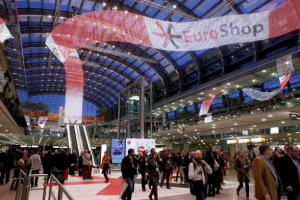
Mannequin Collection Launching at EuroShop 2026
As you may have seen, our sister brands Kesslers London and Genesis Mannequins will be exhibiting at the iconic EuroShop 2026. While Proportion London won’t

Home » How to create memorable retail journeys for your customers
With the rise of online shopping overtaking high street stores, the competition is even bigger to encourage shoppers into your store and get them coming back! Because of this, the hunt for bigger, better and more memorable shopping journeys is on!
In this article, we are going to discuss the rise of experiential retail, what that actually means, and how you can use visual merchandising to make your customers’ shopping experiences that bit more memorable so they keep coming back!
Experiential retail is a strategy focused on creating immersive and memorable experiences for customers within physical store environments. Unlike traditional retail, which primarily revolves around product sales, experiential retail aims to engage customers by offering unique and interactive experiences. The goal is to foster loyalty and encourage repeat visits.
Technological advancements, such as the widespread adoption of e-commerce platforms and mobile devices, have transformed consumer expectations. Shoppers now seek more than just transactional experiences; they desire personalised interactions, immediate gratification, and seamless integration of online and offline shopping channels.
In response to these changing expectations, experiential retail has emerged as a way to attract and retain customers. By offering interactive displays and focusing on personalised services, retailers aim to create memorable experiences that drive foot traffic and enhance brand loyalty.
If you’re looking for a refresh, visual merchandising is the strategic presentation of retail products in order to attract customers. It involves the use of various visual elements, such as product displays, signage, colour schemes, lighting, store layout and – more recently – experiential techniques to create a captivating customer experience.
While visual merchandising focuses primarily on the look of products and displays within a store, it works strategically with experiential retail. Experiential visual merchandising aims to go beyond presenting products in an aesthetically-pleasing way, and creates memorable and meaningful customer interactions.
The incorporation of interactive elements such as AR mirrors, for example, allows customers to engage directly with products. Through the use of story-telling or themes, you can create a more streamlined customer journey that they are more likely to remember and want to return to.
Experiential visual merchandising seeks to engage multiple senses, rather than sight alone. Through incorporating other elements such as sounds, scents, textures and even tastes (depending on the product), stores can create a multi-sensory experience that can reinforce their brand identity.
When was the last time you were wowed by an experience in a store and returned simply for the customer journey? Although generating sales is the main focus for retail stores, it’s also important to focus on customer experience and enhancing the shopping journey. In order to compete with other stores and ensure that customers continue to walk through your doors, you need to offer something worth talking about.
Creating a memorable shopping experience that wows your customers and leaves them returning time and time again isn’t just about experiential retail. It involves several key strategies that focus on engaging customers, providing a personalised service and enhancing overall satisfaction. Let’s look at a few of them:
The most important way of improving the customer experience is by making them feel welcome. Consider whether the store is inviting and aesthetically pleasing, as well as clean, well-lit and comfortable. Music can set the mood and create ambience, so factor this in too.

One of the core pillars of experiential retail is creating an environment where customers can immerse themselves in the story of the brand and their products. There are a number of different ways that stores can achieve this, including interactive displays and live demonstrations, but the aim is always to create a memorable journey for customers, which in turn will increase the footfall.
Huda Beauty got this down to a tee with their Covent Garden pop-up experience to launch their Mercury Retrograde eyeshadow palettes. The pop up incorporated immersive elements, social media opportunities and an interesting layout to engage their audience. The experience went viral and reached a wide audience which helped with brand awareness and customer retention.
One of the reasons that customers love online shopping so much is because of the personalisation that comes along with it. Ecommerce sites provide product recommendations based on past purchases, offer inspiration to ‘complete the look’ (or similar) and send personalised discounts or promotions to their customers.
When trying to replicate this in store, train staff to be knowledgeable about your products and confident enough to provide personalised recommendations and assistance. You could also offer customised services such as engraving or alterations to help boost the perception of your store.
Another reason that online shopping has gained so much popularity is because of its convenience. Try to make the checkout princess as smooth and efficient as possible to replicate this level of convenience. Consider implementing self-checkout tills or mobile payment options to make this process even smoother.
Experiential retail is increasingly seen as the future of shopping, shifting the focus from a transaction-first approach to creating memorable and engaging experiences for customers. As online shopping continues to grow, experiential retail provides a reason for customers to visit physical stores, offering experiences that cannot be replicated online.
However, while experiential retail has gained traction, it doesn’t represent the definitive future of shopping. Traditional retail models still hold significant appeal, especially for consumers who prioritise convenience and speed in their shopping experiences. Additionally, the high costs associated with creating such immersive retail environments are often not sustainable, especially for smaller businesses or those operating on a smaller budget.
In summary, while experiential retail offers a compelling approach, it is unlikely to completely replace more traditional retail models.
At Proportion London, we are passionate about incorporating visual merchandising in an interesting and exciting way. We have years of experience in helping our retail customers to create engaging and immersive displays, and can offer a diverse range of mannequins, busts and stands, both for purchase and hire, to elevate your product displays.
Contact us today to discuss your needs and learn how we can help you bring your vision to life.
As you may have seen, our sister brands Kesslers London and Genesis Mannequins will be exhibiting at the iconic EuroShop 2026. While Proportion London won’t

Now 2025 is quickly coming to an end, the team are having a look back at all the iconic moments over the year. Some incredible

2025 was a year filled with exceptional stores, window displays, and of course – fashion. Visual merchandising in London proves every year it is an