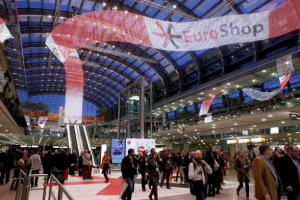
Mannequin Collection Launching at EuroShop 2026
As you may have seen, our sister brands Kesslers London and Genesis Mannequins will be exhibiting at the iconic EuroShop 2026. While Proportion London won’t

Home » How to display accessories, jewellery and shoes effectively
When it comes to visual merchandising, shoes and accessories such as hats, belts and jewellery are often overlooked in favour of clothing. However, these items are more than just add-ons – they’re the finishing touches that complete a look and help customers express their personal style! As much as we’d love to say that displaying these smaller pieces is easier than choosing full outfits to clothe your mannequins, it can be just as difficult to get right, as it requires a different approach than clothing. But when done right, a visual merchandising display can make a necklace sparkle, highlight the craftsmanship of a shoe, or turn a handbag into a must-have item.
In this article, we will discuss the importance of an effective accessory display, and explore how to display jewellery, shoes and accessories effectively to grab attention but also drive sales.
Making sure your products are displayed effectively is essential for driving sales. How many times have you gone shopping for one thing and been convinced to buy the whole outfit because it was showcased on a mannequin? Visual merchandising techniques such as cross-selling, thematic displays and storytelling are hugely important in impacting customer behaviour, connecting with them emotionally and convincing them to purchase your products.
Showcasing smaller, more intricate items such as jewellery, shoes and accessories comes with its own challenges when compared to clothing, as retailers have to work harder to catch the consumer’s eye. That’s why an effective accessory or jewellery display can help generate sales and boost profits.
If you’re wondering how to display jewellery in your store or boutique, you’re in the right place! Let’s explore some top tips on how to display jewellery in the best way:
By combining strategic lighting, diverse display options, and minimalist design, you can create a jewellery showcase that captures attention, inspires customers, and elevates the perceived value of each piece.
Just like with displaying jewellery, presenting shoes to your customers in an engaging and visually appealing way takes strategy. It’s more than just piling different pairs of shoes on a shelf. Every element of a store’s layout and display has been thoroughly planned and well thought-out. So, let’s share some ideas on how to display shoes in your store to engage your customers and boost sales:
A well-thought-out shoe display combines creativity, practicality, and psychology to capture attention and encourage purchases. By creating visually dynamic arrangements and prioritising functionality and hassle-free experiences, you can transform your retail store into a space where customers want to return time and time again.
Displaying accessories is not about simply placing items on a counter; each display should tell a story and invite customers to engage. Let’s dive into some tips for displaying accessories effectively:
Effectively displaying accessories is all about balance, context, and thoughtful presentation. By making sure each item has space to be noticed, showcasing how accessories complement outfits, and using practical display methods, you can create a shopping experience that entices customers and ultimately boosts sales.
Mannequins are a cornerstone of effective displays, adding context and helping customers imagine how items will look in real-life scenarios.
Jewellery showcased on neck forms can display how necklaces can look on the human form, without taking up the space required for a full-sized mannequin. They also allow the jewellery to be the star of the show. Similarly, ring cones help rings to stand out from other items within the display, increasing the likelihood of their sale.
For accessories, mannequins allow you to showcase how a bag drapes over a shoulder, how a scarf looks tied around the neck, or how a belt cinches at the waist. These displays create a sense of movement and practicality that static displays lack.
For shoes, mannequins bring a new level of engagement. Full-body mannequins styled with entire outfits put shoes in context, helping customers visualise how they’d wear them. Similarly, using clear stands or mannequin legs focuses attention on the shoes while maintaining a sleek look.
Mannequins bridge the gap between aesthetic appeal and usability, making products more relatable and desirable to customers.
Here at Proportion London, we want to make sure you don’t make common visual merchandising mistakes that we see, so we’ve actually written a whole article on it! However, if you don’t want to read that, here’s a quick recap of some common display mistakes we see retail stores fall into when showcasing their shoes and accessories.
At Proportion London, we are passionate about helping our customers to nail their retail displays. Our extensive experience in visual merchandising, alongside our huge collection of mannequins, busts and accessories displays available for purchase or hire, means that all of our retail customers can display their products in a way that inspires customers and drives sales.
Contact us today to discuss your specific requirements and unlock the full potential of your space.
As you may have seen, our sister brands Kesslers London and Genesis Mannequins will be exhibiting at the iconic EuroShop 2026. While Proportion London won’t

Now 2025 is quickly coming to an end, the team are having a look back at all the iconic moments over the year. Some incredible

2025 was a year filled with exceptional stores, window displays, and of course – fashion. Visual merchandising in London proves every year it is an