Mannequin Collection Launching at EuroShop 2026
As you may have seen, our sister brands Kesslers London and Genesis Mannequins will be exhibiting at the iconic EuroShop 2026. While Proportion London won’t

Home » How to dress a display mannequin
Whilst everyone will have their own ideas of what they want to display on their mannequins, there is an art to actually dressing a display mannequin successfully, ensuring customers want to buy the items or venture into the store to find out more.
Whilst in most retail scenarios it’s important for the mannequin to look realistic, the clothes and items displayed on the mannequin need to be the shining stars of the display. Whether displaying on a custom mannequin or a more standard design, how you dress the display mannequin is an important part of your design plans.
Standard fibreglass mannequins are quite stiff and therefore not always easy to dress. Here are some simple tips for physically dressing a display mannequin successfully:
Flexible mannequins can be easier to dress, but it is still useful to consider the above points. When dressing a flexible mannequin, there are a few additional tips:
For all mannequins, don’t be afraid to lay them down to make your job easier. Be mindful of where you lay them to protect them and avoid trip hazards. Make sure their bases are level and consider using belts or other attachments to ensure the torsos are securely fixed to the poles that are attached to the stands.
Whenever you remove parts from the mannequin, do so with care and place them away from where you are working to avoid potential trips and lessen the risk of damaging the mannequin.
When dressing a display mannequin, take care to consider potential damage to fabrics and the mannequin itself whilst you are stretching and pulling items on and off, for example. If you use padding, don’t secure it with adhesive tape as this will damage the mannequin when removing it.
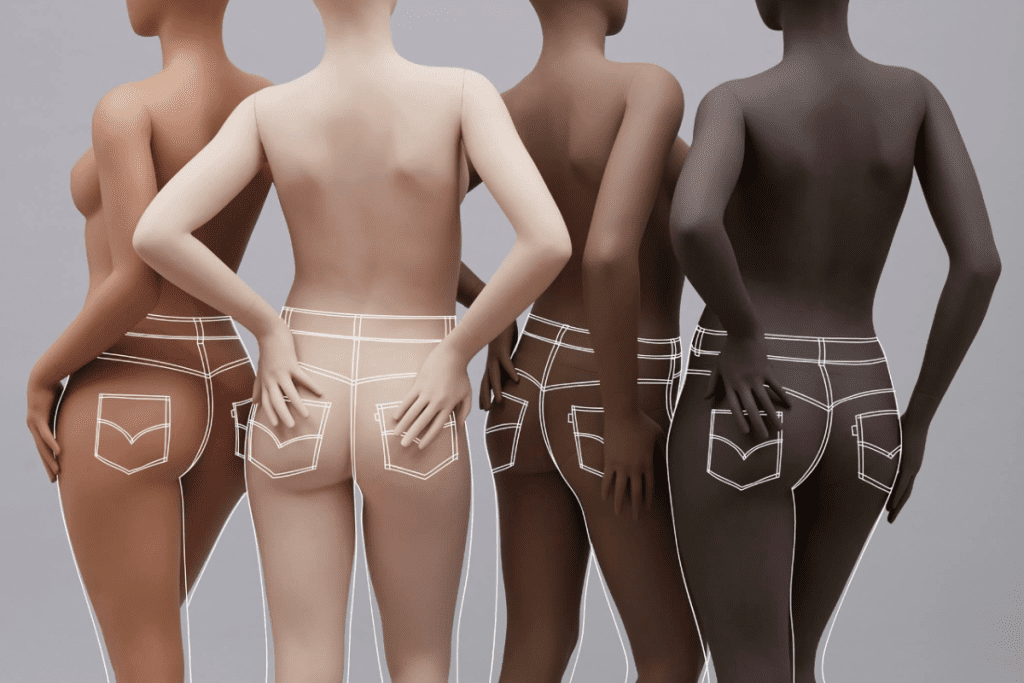
Display mannequins are now available in different body shapes, and skin-tones and can be made with a range of different materials in addition to the traditional fibreglass. Whether your business sells to larger, taller or petite-sized individuals, it is important to choose mannequins which adequately reflect your customers.
Many customers will now have tattoos, so you may wish to consider adding temporary tattoos to your mannequins. Specialist shops sell water-soluble stickers which can be removed with a damp cloth. Test such tattoo stickers under the foot of your mannequin to ensure that it will adhere, won’t stain your mannequin and can be removed.
In addition to the clothing, don’t forget to accessorise. Mannequins are now available with readily-pierced ears, for example, so you can use earrings. If you have a mannequin without pierced ears, don’t pierce them yourself – as you’ll risk damaging the mannequin. It is possible to use a putty to stick earrings to the mannequin.
Heavy accessories, such as large bags hanging from the mannequin or chunky jewellery, need to be placed with care so they don’t damage the mannequin or make it fall over.
Can mannequins wear any shoes, for that matter? The answer is yes, and again, they’ll look much more realistic with footwear. Mannequins will have either foot or ankle fittings, some have both. For mannequins with foot fittings, you will have to pierce any shoes with a drill, so the shoes won’t be able to be sold when you change the display. Ankle fittings tend not to fit under tight trousers, so if you wish to display tight trousers and footwear, you are likely to need to cut the trousers, too.
Boots can be trickier as few display mannequins are available with boot fittings. It is possible, however, for your mannequin to wear boots, but they will also need to be cut at the height of the ankle-fitting insert. Or a bespoke thigh fitting can be made.
Seated mannequins are easier for displaying footwear as their feet are not fixed to a stand. It can be easier to fit boots that are slightly bigger than the size of the mannequin’s foot.
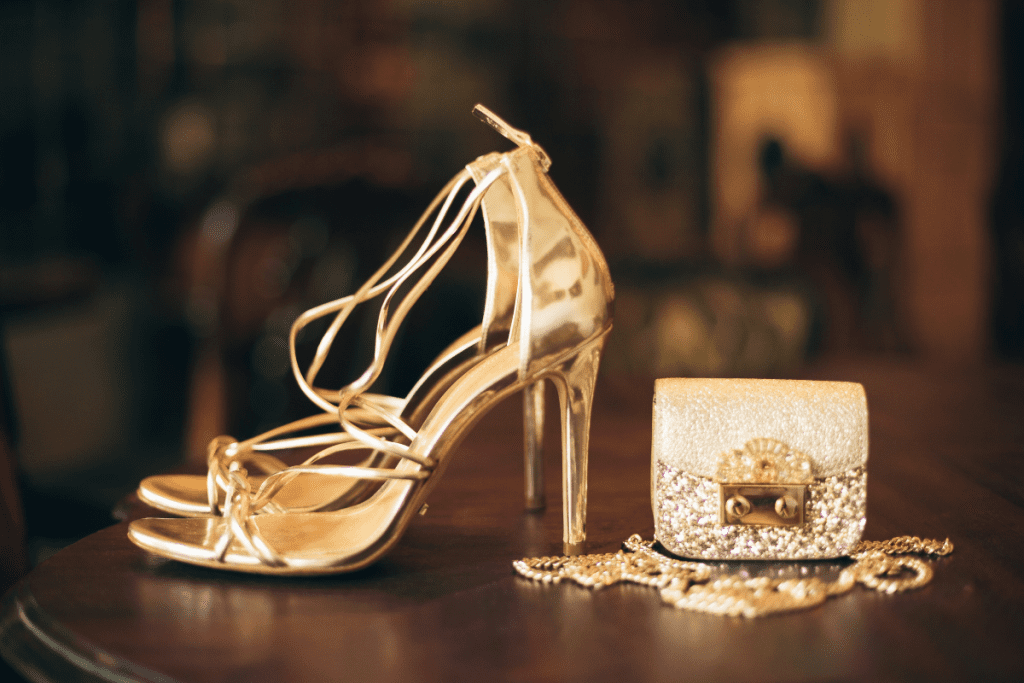
To answer the specific question of whether mannequins can wear heels, the answer is – yes, providing that the mannequin’s foot is shaped accordingly. As above, some mannequins can be fitted with foot or ankle fittings. These will also determine the style and height of the shoe that you use.
Whichever footwear you use, remember to protect your mannequin from zip or buckle scratches by first dressing the model with socks or tights.
Proportion London has been creating mannequin-like forms since 1867 when its founder company began in France. We are now a global brand hiring and selling mannequin collections to leading retail brands and museums. We can also design and manufacture bespoke creations.
However you wish to dress your display mannequins, we can assist you. Get in touch with our friendly team today to see how they can help you.
As you may have seen, our sister brands Kesslers London and Genesis Mannequins will be exhibiting at the iconic EuroShop 2026. While Proportion London won’t

Now 2025 is quickly coming to an end, the team are having a look back at all the iconic moments over the year. Some incredible

2025 was a year filled with exceptional stores, window displays, and of course – fashion. Visual merchandising in London proves every year it is an