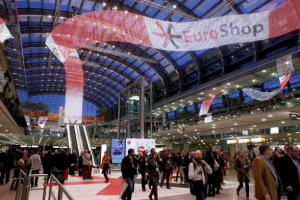
Mannequin Collection Launching at EuroShop 2026
As you may have seen, our sister brands Kesslers London and Genesis Mannequins will be exhibiting at the iconic EuroShop 2026. While Proportion London won’t

Home » How to maintain your mannequins to keep your displays looking fresh
Mannequins are an essential element of visual merchandising, acting as an aesthetic way to display products in your store or artefacts in a museum. However, how do you ensure that your mannequins stay looking their best year after year?
In this article, we will explain the importance of maintaining your mannequins, and offer you guidance on how to clean a mannequin, restore mannequins, and store a mannequin to avoid damage!
Keeping mannequins looking fresh and up-to-date is essential for maintaining an engaging and visually appealing store display. A simple way to achieve this is by frequently changing the outfits and accessories displayed to reflect evolving trends and changing seasons. This not only ensures a refreshed look for your display, but can also help to prevent wear and tear on specific parts of the mannequin caused by prolonged use of the same clothing or accessories.
When dressing mannequins, it’s important to handle both the clothing and the figure with care. Avoid forcing pieces of clothing onto the mannequin, as this can lead to scratches and dents, and try not to tug clothing over sharp edges or joins, as it could tear the fabric. Taking the time to dress mannequins carefully helps maintain their professional appearance and extends the lifespan of both the figure and the garments.
Finally, pay close attention to the lighting setup. Well-placed lighting can enhance the appearance of mannequins and can even reduce the appearance of scratches or dents. However, excessive heat or prolonged direct exposure to light can cause discoloration or damage to the mannequin’s surface, so always ensure lighting is controlled.
In today’s world, where sustainability is a growing priority, the option of simply discarding and replacing damaged mannequins is no longer as appealing as it once was. The average lifespan of a mannequin is seven years, however, regular mannequin maintenance can make them last much longer. Regular cleaning and repairs are essential to make sure your mannequins stay in prime condition, reducing the need for replacements and promoting a more sustainable approach.
Routine cleaning and upkeep not only keeps mannequins looking fresh and aesthetically appealing, but it also ensures they stay functional and presentable. This attention to detail improves the customer experience by maintaining a professional atmosphere in the store or museum. Well-maintained mannequins reflect positively on your brand and products, creating an inviting environment that encourages customer loyalty and repeat visits.
On top of this, consistent maintenance can significantly prolong the lifespan of your mannequins, saving on replacement costs and ensuring your displays maintain a high standard of quality over time. By investing in correct upkeep, you also contribute to sustainability efforts, minimising waste and reducing the frequency of new purchases.
The first step to ensuring your mannequins remain functional and fresh is cleaning them regularly. Dirt, dust and grime can accumulate on mannequins and detract from the overall look of the display. On top of this, a buildup of dirt and dust in the joints of the mannequin can interfere with smooth movement and positioning, which could potentially lead to repairs over time.
How to clean your mannequins depends on the materials they are made of. For fibreglass or plastic mannequins, for example, dabbing the mannequin with a diluted solution of washing-up liquid and warm water, and a microfiber cloth is usually enough to clean the mannequin without damaging the surface of the figure. Make sure to avoid harsh chemicals, as these can strip the paint or leave streaks.
For fabric-covered mannequins, spot cleaning with a mild detergent and a soft sponge, taking care not to saturate the material, is usually the best approach. Gently dab the affected area rather than scrubbing to avoid damaging the fabric and leaving watermarks. To prevent mould growth and unpleasant smells, always allow the mannequin to air dry completely before placing it back on display.
To clean our Ecoform mannequins, use a microfiber cloth and a mild, eco-friendly cleaning solution diluted with warm water. Gently wipe the surface, paying attention to smudges and fingerprints, and use a soft brush or cotton swab for crevices. Avoid harsh chemicals, and ensure the mannequin is completely dry before reassembling or displaying.
It’s unlikely that you will be using every mannequin you own all of the time. Proper storage is important to keep the mannequins that aren’t on the shop floor in good condition. Without the right precautions, mannequins in storage can easily become scratched or broken.
To store mannequins safely, disassemble them if possible, as this reduces the risk of damage to limbs or joints. Store all parts in a cool, dry space away from direct sunlight, which can cause discoloration or weaken the materials over time, and position them carefully to avoid pressure points that could lead to warping.
Consider using protective coverings or sheets to protect the mannequins from dust, dirt, and environmental factors. Soft cloth covers or padded storage bags are ideal for preventing scratches and keeping mannequins clean and ready for use.
Even with the best intentions and precautionary measures, sometimes mannequins can get damaged. If you’ve had your mannequins for a long time, or you frequently handle them to update the displays and showcase different products, it’s likely that they have at least a few dents or scratches. Luckily, many of these issues are minor and can usually be easily repaired:
By addressing these issues as they arise, you can extend the life of your mannequins and maintain their polished, professional appearance.
If your mannequin damage is beyond something that a lick of paint can solve, Proportion London are here to help! We are proud to provide refurbishment services if your mannequins need repairs or require an updated style for a new display.
We offer a comprehensive assessment of the condition of your mannequins to identify the areas that need attention, and our mannequin restoration team can fix chipped paint and broken parts to leave your mannequins looking as good as new!
Refurbishing your mannequins reduces waste by reusing existing products, making it a great sustainable practice. Here at Proportion, sustainability is an important part of our work, and we are proud to assist you in making more eco-friendly choices.
And if your old mannequins truly are beyond repair, we have a range of mannequin collections available to both purchase and hire!
Get in touch with the team to find out more about Proportion London’s refurbishment services and learn how we can help you.
As you may have seen, our sister brands Kesslers London and Genesis Mannequins will be exhibiting at the iconic EuroShop 2026. While Proportion London won’t

Now 2025 is quickly coming to an end, the team are having a look back at all the iconic moments over the year. Some incredible

2025 was a year filled with exceptional stores, window displays, and of course – fashion. Visual merchandising in London proves every year it is an