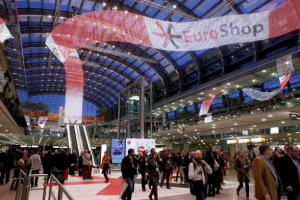
Mannequin Collection Launching at EuroShop 2026
As you may have seen, our sister brands Kesslers London and Genesis Mannequins will be exhibiting at the iconic EuroShop 2026. While Proportion London won’t

Home » The science of lighting in visual merchandising
Imagine walking into a retail store and it being too dark to see the products they have on offer. How can you know if a product is right for you if you can’t properly see it?! That’s where lighting comes in! An often overlooked aspect of visual merchandising, but arguably one of the more important, lighting has the ability to change the entire feel of your space.
Not only does good lighting ensure potential customers can see what they’re buying and highlight the products you want to sell more of, but it can represent your brand and its values. Want to give off cosy, welcoming vibes? Bright industrial lighting probably isn’t the way to go… Similarly, if your brand ethos is all about energy and enthusiasm, relying on fairy lights in an otherwise dark space won’t showcase your values to your customers!
In this article, we will run through the different types of retail lighting in visual merchandising, discuss how the technical aspects of lighting can affect the dynamic store merchandising and change the look and feel of a shop, and explore the importance of lighting in retail stores, before providing you with some handy tips on how to enhance your visual merchandising efforts with lighting.
In visual merchandising, retail store lighting plays an important role in displaying the products and setting the tone for your space. In order to do this, there are three main types of lighting in visual merchandising:
Within these different lighting types, there are a huge number of specialised solutions that can be used to further enhance your product displays or showcase your brand values. For example, a sustainable clothing business might choose to use energy-efficient light bulbs, smart lighting and an eco-friendly design, such as changing room lights that automatically turn on when people enter the changing room, rather than fluorescent lighting that is on all the time. Similarly, a more high-end retail store may use dynamic or interactive lighting to engage customers and showcase their luxury feel.
There are a number of different ways that stores can use lighting to suit their brand and products. Focusing on lighting as an aspect of visual merchandising, rather than just as a necessity, will help stores to strategically choose lighting types and solutions that work well for them.
Just as the type of retail store lighting can dramatically change its feel, the technical aspects of lighting play a pivotal role in shaping the atmosphere of the space and influencing the customer. By carefully considering more of the technical elements of lighting, visual merchandisers can create an atmosphere that aligns with their brand identity and improves the customer experience. Let’s explore some of the different technical elements of lighting and how they can be used to portray different atmospheres.
Colour temperature refers to the warmth or coolness of the light. This aspect, measured in Kelvin, can change the overall vibe of a space. Warmer lighting, with lower Kelvin values, produces a cosier, more inviting glow that is perfect for shops aiming to create a relaxed, homely vibe. Cool lighting, on the other hand, creates a crisp, modern feel which is better for tech stores that want to convey a sleek, contemporary effect.
How bright the store lighting is can dramatically affect both the functionality and the mood of the space. Bright lights with a high intensity can energise customers, making it the ideal choice for a sports store or fast-fashion shop. In comparison, dimmer lighting creates a more calm, intimate atmosphere, often used by jewellery stores or luxury brands.
Adjustable dimmers or smart light that can change the intensity throughout the day or during promotional events makes sure the lighting strategy is flexible and can promote a more luxurious atmosphere.
The positioning of lights, and therefore the shadows they cast, can define the overall look and feel of a display. Strategic angles can add depth, emphasise textures and direct attention to important products. For example, spotlights are often used in jewellery stores to highlight the intricacy and sparkle of a diamond.
However, poorly placed lights can create unflattering shadows that take away from the product’s appeal, so it’s important to experiment with different lighting angles to ensure displays are well-lit and harsh shadows are avoided.
As we’ve mentioned, the importance of lighting in retail stores cannot be overlooked. It offers both practical and psychological benefits that plan an essential role in shaping the customer experience and influencing buying decisions. In fact, poor-quality lighting can mean a loss of up to 40% revenue!
By using strategic lighting, visual merchandisers can draw attention to specific products, making them appear more desirable. Ambient lighting in retail stores can also create an inviting atmosphere that encourages customers to stay for longer, and research has shown that for every 1% increase in the time spent in the store, there is a 1.3% increase in sales.
In addition to affecting customer behavior, lighting is a key part of reflecting a brand’s identity. Whether the store aims for a minimalist, luxurious, or energetic vibe, the right lighting can display that ethos instantly. For example, soft, warm lighting may create a sense of comfort and exclusivity, while bright, sharp lighting may suggest a more contemporary brand.Lighting also has the power to transform the physical look of a store. It can make small areas feel much larger, highlight key product displays, and create intimate areas that encourage customers to explore. This ability to manipulate space visually is especially important in stores with limited space.
Now we know how important lighting in retail stores is, you probably want to know how to use it within your visual merchandising. Luckily for you, we are here to help. Let’s take a look at some of our top tips on how to enhance your visual merchandising techniques with lighting:
By implementing these tips, you can transform your store into an inviting, engaging space that captures attention and enhances the overall shopping experience.
At Proportion London, we are passionate about the science behind the different aspects of visual merchandising and we use this passion to help our customers reach the full potential of their retail stores. We specialise in creating aesthetically pleasing and engaging displays for our clients that showcase products, evoke emotions and boost brand loyalty. We have a huge collection of mannequins, busts and rails available for purchase or hire to help your visual merchandising displays achieve these goals!
From retail environments to museum exhibits, we’ve helped a number of different clients across the world to create beautiful, compelling visual displays. Contact us today to discuss your requirements and discover how we can help you.
As you may have seen, our sister brands Kesslers London and Genesis Mannequins will be exhibiting at the iconic EuroShop 2026. While Proportion London won’t

Now 2025 is quickly coming to an end, the team are having a look back at all the iconic moments over the year. Some incredible

2025 was a year filled with exceptional stores, window displays, and of course – fashion. Visual merchandising in London proves every year it is an