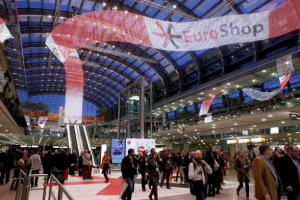
Mannequin Collection Launching at EuroShop 2026
As you may have seen, our sister brands Kesslers London and Genesis Mannequins will be exhibiting at the iconic EuroShop 2026. While Proportion London won’t

Home » How to use visual merchandising to build emotional connections
In the retail industry, where competition for consumer attention is strong, the ability to forge an emotional connection with shoppers can have a huge impact on footfall and sales.
In this article, we will explore the role of emotions in purchase decisions and understand how effective visual merchandising techniques can build strong emotional connections with customers.
We’ve spoken a lot about visual merchandising, how to use techniques in different retail environments and the various strategies that go into it in the past. But just in case you’re new here, we’ll revisit the definition of visual merchandising and its various different elements here.
Visual merchandising is the practice of displaying products in a retail space in order to promote sales. It is hugely important in the realm of retail. In fact, a study published in the Journal of Marketing found that well-designed product displays can increase sales by up to 540%! That’s why we talk about it so much – understanding how to effectively layout your store and display your products is essential to success, especially in such a competitive market!
There are a number of different elements of visual merchandising, including:
Effective visual merchandising appeals to all of the senses (except taste), not just the sight. Incorporating different textures, sounds and even scent marketing is a successful tactic for appealing to different customers.
An emotional connection is the personal resonance and bond formed between the customer and the brand, product or environment. It can occur when the consumer believes that the brand or product aligns with their personal values and lifestyle, when the brand evokes strong emotions such as happiness or nostalgia, or when the customer experience is so memorable that it leaves a lasting connection with the individual.
Customers with strong emotional connections to the company or their products are more likely to become loyal to the brand and make repeat purchases, as well as advertise through word of mouth to their friends and family.
In the world of retail, an emotional connection can be achieved through a number of different strategies, including storytelling, personalised experiences, positive customer service and aesthetically pleasing marketing that resonates with the emotions of the customer.
When browsing a store, when was the last time you bought something on impulse? Recently? You’re not alone. In fact, 84% of shoppers have made impulse purchases! While this may seem shocking, it’s actually not that surprising. This is because, although you may believe that you are a rational individual that bases all of your purchases on reason, emotions can greatly influence our buying decisions.
Psychologist and behaviour change consultant, Philip Adcock, found that emotional parts of the brain process sensory input 5 times faster than rational thought, and the persuasiveness ratio of emotion to reason is 24:1!
Emotional marketing is a strategic marketing approach, often attempted by retail stores, that aims to connect with consumers emotionally in order to persuade them to purchase a particular product or service.
It uses storytelling and visual merchandising techniques to craft a brand identity that elicits specific emotions and establishes a personal connection with customers.
Although emotional marketing can have a positive impact on a customer’s perception of a brand, footfall into a shop and the number of purchases, negative emotions can also have a long-term effect, deterring customers from engaging with a company again.
There are a number of different emotional triggers that can be taken advantage of in your marketing and visual merchandising to help convince a shopper to purchase your item. Think of them as different heart strings that you are tugging at with the different messaging you put out there. Some of them you may even be doing already without realising.
In this section of the article we will share some of the most common emotional triggers in shopping environments, so that you can gather inspiration for your own store and marketing efforts.
When using these emotional triggers in your marketing, ensure that you do so with caution so to not drive customers away from your business.
Visual merchandising is a powerful tool that can influence customer behaviour and purchase decisions in different ways. By strategically creating visually engaging retail environments, stores can effectively impact the shopping experience and drive sales.
Engaging displays play an important role in increasing the time customers spend in a store. Visually appealing and interactive layouts captivate customers’ attention, encouraging them to explore more areas of the store. Research suggests that the longer customers stay in a store, the more likely they are to make a purchase. Extended engagement with products through attractive displays allows customers more time to mull over the products that they see, ultimately leading to more sales.
As we’ve already mentioned, strategic visual merchandising can also trigger impulse buys. Well-placed and eye-catching displays can persuade customers to make spontaneous purchases. For example, placing small essential items near the checkout area can lead to last-minute additions to a customer’s basket, capitalising on the impulse to buy something that looks appealing at the moment.
When visual merchandising achieves strong emotional connections between the customers and brand, they are more likely to return, increasing the brand loyalty. This emotional connection results in long-term benefits for brands, such as repeat business and word-of-mouth promotion.
At Proportion London, we like to think that we know a thing or two about evoking emotions in consumers through the art of visual merchandising – it’s something we’ve been helping our retail and museum customers to do for years!
We have various different mannequins, stands and busts available, either to buy or hire, depending on your requirements, and we can custom-make something especially for you if you have something special in mind!
Get in contact with us today to discuss your requirements and discover how we can help you.
As you may have seen, our sister brands Kesslers London and Genesis Mannequins will be exhibiting at the iconic EuroShop 2026. While Proportion London won’t

Now 2025 is quickly coming to an end, the team are having a look back at all the iconic moments over the year. Some incredible

2025 was a year filled with exceptional stores, window displays, and of course – fashion. Visual merchandising in London proves every year it is an