
Mannequins are human-like figures, designed to display clothes and accessories in shops and museums, or to help fashion designers, dressmakers and seamstresses make and tailor clothing to specific measurements.
They come in a range of different body shapes and sizes to meet different requirements, and can be tailor-made to suit both contemporary and period clothing for museums.
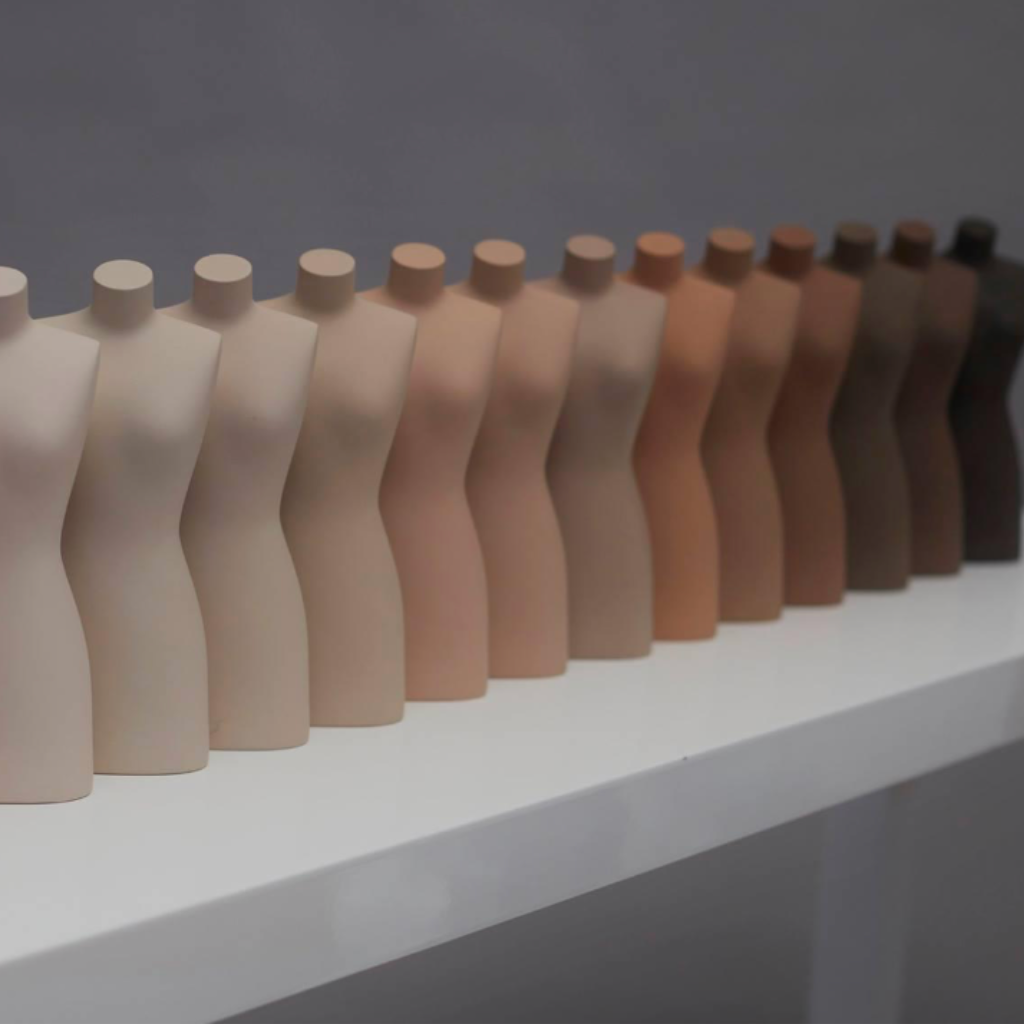
At Proportion London, we work with hundreds of retail stores, museums and tailors to shop mannequins that meet their requirements. Our client portfolio spans from highstreet stores to high-end and designer boutiques, world-class museums and famous fashion designers.
We have a range of different collections for retail use, depending on your requirements and brief. We are also able to custom design and make mannequins that are unique to you and your needs.
At Proportion London, our mannequins come in a number of different forms, such as hanging or standing bust forms, headless mannequins and full body mannequins. We are also proud to offer various different mannequin parts, such as hands and heads – perfect for advertising accessories and hats.
We offer mannequins made out of a number of different materials, depending on the requirements of the mannequin and their uses. You can choose between a number of different finishes (including Ecoform, fibreglass or fabric covered), different arms (fixed, fibreglass or wooden articulated which can be raw, or stained in a colour of your choice), and different heads (headless, modern head or a feature head with a choice of hairstyle.)

At Proportion, we offer the Ecoform mannequin, our new sustainable mannequin. Made from a combination of eco-friendly, biodegradable and compostable materials and coated in water-based paint, EcoForm is safer and less toxic than its fibreglass counterparts!
As well as this, Ecoform mannequins reduce your carbon footprint output by 96.63%, compared to traditional fibreglass mannequins, completely avoiding landfills and enabling a fully circular end of life solution.
Fabric-covered mannequins provide a soft, tactile surface that enhances the presentation of clothing. These mannequins are typically constructed from a lightweight frame and covered with various fabrics. At Proportion London, most of our mannequins are covered in Calico as standard, but this can often be upgraded to velvet or leather; and we also offer a bespoke service to cover your mannequins in materials of your choice.
Our museum mannequins are covered in conservation-grade materials in order to protect the artefacts and historical clothing that they are displaying.

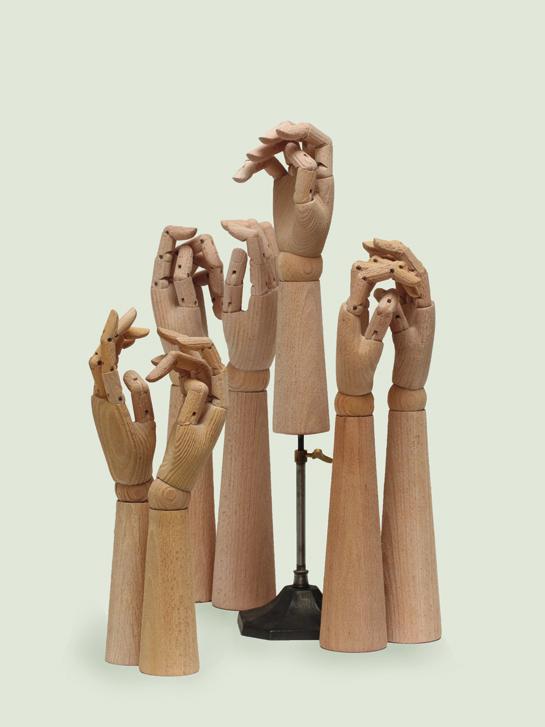
Wooden mannequins offer a classic and timeless aesthetic, making them a popular choice for high-end retail environments and vintage displays. Crafted from solid wood, these mannequins exude a warm and natural feel, which can enhance the overall visual appeal of any garment. They are sturdy and can withstand heavy use, making them ideal for long-term displays. Additionally, wooden mannequins can be easily customised with paint or finishes, allowing retailers and museums to align them with their branding or seasonal themes.
Our papier-mache mannequins are a popular eco-friendly alternative to fibreglass mannequins. At Proportion London, we still make forms using the traditional Victorian techniques of papier mache. We use recycled cardboard and water to make the papier-mache material, which is applied to the inside of a mould and backed up with a layer of plaster before being hardened in a bakehouse for four days.
Our papier-mache mannequins can be covered in any material to meet your requirements. Popular choices include leather, silk or calico.

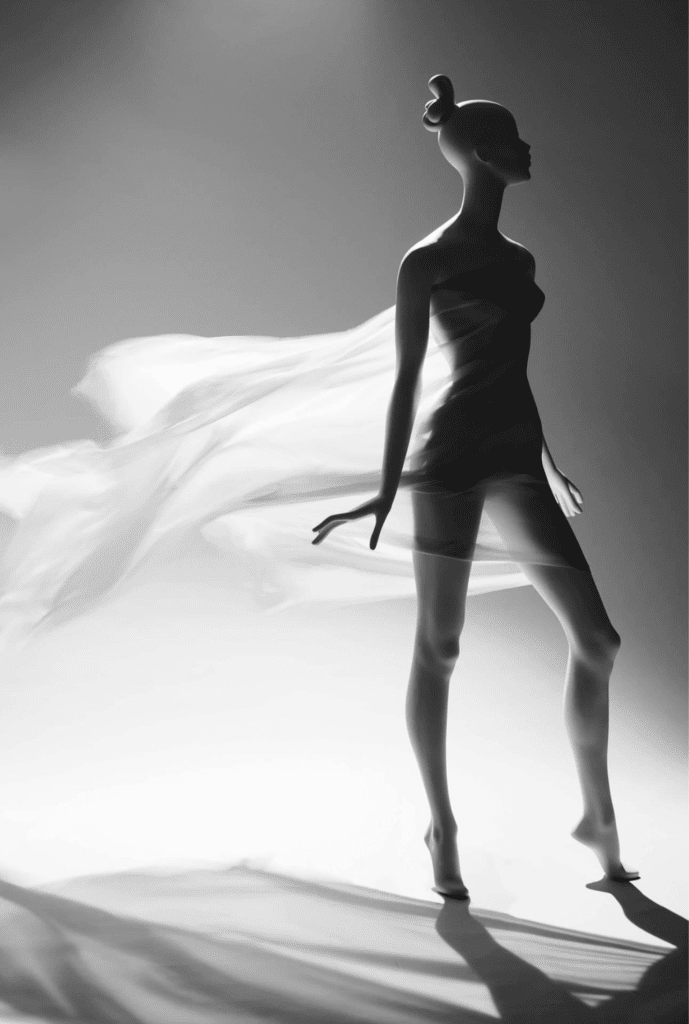
Up until recently, fibreglass mannequins were the most common among our collection. Known for their durability and versatility, fibreglass mannequins are a staple in the retail industry. Their smooth, glossy finish allows for a polished appearance that highlights the clothing effectively, and fibreglass mannequins come in a wide range of styles and poses, providing retailers with diverse options to showcase their products.
Discover how the materials that mannequins are made out of play a pivotal role in the industry that they’re used within and get inspired with our tips and guides on using our mannequins for your retail displays and museum exhibitions.
Read our mannequin articles here:
Explore our selection of mannequins available for sale or hire. We carefully curate a range of quality options, regardless of what type of clothing or accessories you are displaying.
If you’re looking for customised mannequin heads to display your hats and accessories, discover our custom creation services. We can help you design something that perfectly suits your vision.
Mannequins can be made from a variety of materials, including fibreglass, plastic, wood, metal, fabric, and papier-mâché. Each material has its own characteristics, affecting factors like durability, weight, aesthetic appeal, and suitability for different types of clothing displays.
Fibreglass mannequins are generally considered the most durable option due to their strong, lightweight construction and resistance to chipping and fading. This ability to maintain their appearance over time makes them ideal for long-term use.
Fabric-covered mannequins are versatile and can be used for a wide range of clothing styles, including historical garments. Their soft texture allows for realistic representation of how garments fit and drape, making them particularly effective for showcasing dresses, suits, and delicate fabrics.
Eco-friendly mannequins, like our EcoForm mannequin, are made from sustainable materials, such as recycled plastics or biodegradable substances. Their use not only helps reduce waste but also allows brands to promote their commitment to sustainability, which is increasingly important to environmentally conscious consumers.