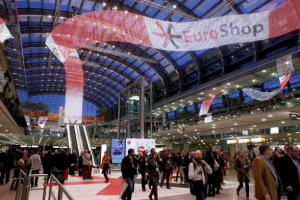
Mannequin Collection Launching at EuroShop 2026
As you may have seen, our sister brands Kesslers London and Genesis Mannequins will be exhibiting at the iconic EuroShop 2026. While Proportion London won’t

Home » What are the 5 Ps of visual merchandising?
There are five main components of any kind of marketing, but especially of visual merchandising. These five Ps are the driving factors behind the success of your promotional strategies!
In this article, we are going to run through what the 5 Ps of merchandising are, and how you can implement them into your visual merchandising strategy. Let’s get into it.
The 5 Ps model is a strategic framework that businesses use to ensure a comprehensive business plan and effective marketing strategy. It involves a detailed analysis of the business’s offerings in order to make sure they meet customer needs and differentiate from competitors.
The 5 Ps model focuses on a business’s offerings, pricing strategy, distribution channels, communication efforts, and human elements to create a cohesive and effective marketing plan. By integrating these different components, businesses can develop a strategy that not only attracts potential customers, but retains them, supports sustainable growth, and maintains an edge against their competitors.
Now you know the purpose of the 5 Ps model, you’re probably wondering what the 5 promotional strategies are and what each P stands for:
We’ve talked a lot before about visual merchandising and store layout in the past. There are a lot of different techniques, such as the rule of three and cross merchandising, but essentially you should put your high-margin items front and centre, and arrange your shelves so that these products are at eye-level.
In fact, a product placed at eye level receives 35% more attention than those at lower shelves.
As we’ve mentioned in the past, visual merchandising isn’t just about how your products look in your store. Focusing on promoting your products to your other senses, through strategies such as scent marketing, your choice of music and audio adverts in your store and incorporating different textures into your displays can help with the promotion.
The 5 Ps of marketing are a crucial element within your visual merchandising strategy because they encompass some critical elements that directly influence the behaviour of your potential customers, and their purchasing decisions. By integrating these aspects into your visual merchandising efforts, you will be able to effectively showcase products, communicate value, drive sales, and enhance the overall shopping experience.
Each of the 5 Ps contribute to creating a cohesive retail environment that attracts customers, encourages engagement, and builds brand loyalty. By leveraging the principles behind the 5 Ps, and combining them with other data, such as sales trends and footfall, retailers are able to create visual merchandising plans that align with their broader marketing objectives and boost the success of the business.
At Proportion London, we are passionate about visual merchandising and helping our customers to utilise visual merchandising techniques and display equipment to improve their sales and attract potential customers.
We have various different mannequins, rails and busts available for both purchase or hire, depending on what you require. But we don’t just stop there. Our visual merchandising knowledge and experience allows us to design and build captivating displays that attract attention in retail stores, museums and showcases! Check out the work we did in Selfridges, London, for the launch of the Charlotte Tilbury X Disney pop up shop!
Get in contact with us today to discuss your requirements and discover how we can help you.
As you may have seen, our sister brands Kesslers London and Genesis Mannequins will be exhibiting at the iconic EuroShop 2026. While Proportion London won’t

Now 2025 is quickly coming to an end, the team are having a look back at all the iconic moments over the year. Some incredible

2025 was a year filled with exceptional stores, window displays, and of course – fashion. Visual merchandising in London proves every year it is an