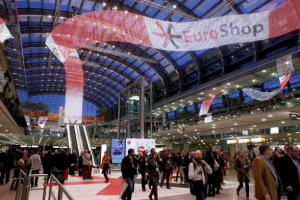
Mannequin Collection Launching at EuroShop 2026
As you may have seen, our sister brands Kesslers London and Genesis Mannequins will be exhibiting at the iconic EuroShop 2026. While Proportion London won’t

Home » Designing Store Layouts for Engaging Shopping Experiences
If you’re opening a new retail store or redesigning an existing one, it’s likely that you’re thinking about how your products will be laid out and how your shop will look. A well planned retail store design does more than simply display your products – it can influence customer behaviour, encourage consumer engagement and boost purchases – so it is essential to get right!
In this article, we will define what a store layout is and explain some of the core elements behind it, explore the importance of an effective retail store design layout, provide handy tips and tricks on how to design a retail store and give you some shop design ideas! Let’s get started!
Put simply, a retail store layout is the design of the floor plan and the arrangement of product displays, aisles and till areas. However, it is much more than the placement of a product. A store layout should be a strategic element of your retail management strategy, intending to influence your customer’s movements, behaviours and purchase decisions.
There are a number of different aspects within retail layout design that should be considered when planning your store. Let’s run through some of the most important components:
By carefully planning these components, your store layout can enhance consumer engagement, increase sales, and improve the overall shopping experience of your customers.
Different store layouts serve different purposes and are suited to varying types of shops. In this section of the article, we will explore three of the most common store layouts:
A grid layout is one of the most common layout designs, especially in supermarkets. This layout organises products in straight, parallel aisles that run in a grid-like pattern, making it easy for customers to locate specific items. The design maximises the use of space by fitting in more products while allowing customers to easily navigate through each aisle.
A free-flow layout offers a more open shopping environment, allowing customers to move through the store in a flexible manner, in any direction. The design encourages customers to browse more freely, promoting discovery of new products. It also gives retailers the freedom to design creative, visually engaging displays that enhance the ambiance of the store, and so is particularly popular in boutiques and high-end shops where creating a bespoke experience is key.
The loop layout directs customers along a set path that loops around the store, usually in a circular or rectangular format. This design is common in large department stores or furniture showrooms where the goal is to expose customers to a wide range of products. By guiding customers along a predetermined route, the layout ensures that they pass through various sections of the store, maximising product exposure.
As we’ve already mentioned, each layout serves a distinct purpose and can be adapted to fit your specific requirements, however choosing the right layout is essential for creating a shopping environment that aligns with your brand and encourages customer engagement.
We’ve already touched on the impacts of a retail store’s layout. A strategic layout can play an important role in shaping consumer behaviour and enhancing the overall shopping experience. Let’s explore why an effective retail layout is essential for your store’s success.
An effective store layout can significantly increase the amount of time customers spend inside your store, which is directly correlated to the possibility of them making a purchase. In fact, a study by Pathintelligence found that a 1% increase in dwell time resulted in a 1.3% increase in sales.
By strategically positioning key products and creating an inviting flow, stores can guide customers through more sections of the store, exposing them to additional products that they wouldn’t have originally intended to buy. Features such as end-of-aisle displays and tactically-placed products near the tills can encourage impulse buys and unplanned purchases.
Your store’s layout is your opportunity to express your brand identity and create a memorable shopping experience for your customers. Thoughtful visual merchandising allows retailers to tell their story and create an emotional connection to the customer.
A well-organised layout ensures that customers can find what they’re looking for quickly and efficiently, while still being exposed to other products they may be interested in. By designing intuitive pathways and using clear signage, retailers can prevent customer frustration and improve convenience, increasing the likelihood of both purchases and repeat custom.
A smart layout design allows retailers to make the most of their available space, regardless of the size of the shop. Efficient use of space can lead to better organisation, easier inventory tracking, and a cleaner, more visually appealing store.
So, now you know what a retail store layout is and the importance of a strategic design, you might be wondering how to go about designing it! Here, we will offer you six handy tips on how to design a retail store layout for your shop that engages your customer’s and encourages purchases.
The first step in designing an engaging store layout is to understand who you’re designing it for. Think about your target market. How do your customers shop? What are their preferences? For example, younger shoppers in a clothing store would probably prefer a more open, free-flow layout that encourages exploration, while older consumers or supermarket shoppers would value convenience and clear paths to essential items.
High-margin and impulse products should be placed in key areas, such as near the checkout or along heavily trafficked pathways. Frequently purchased or essential items can be placed toward the back of the store, encouraging customers to pass other products on their way to find what they need. Additionally, placing seasonal or promotional items in prominent areas like window displays can help to capture attention and drive sales.
Design your store layout in a way that naturally guides customers through key areas of the store. Use signage, floor markings, and strategic product placement to encourage a logical flow. Around 90% of customers will turn right after entering a store, so ensure that you place your products in a way that directs traffic toward high-priority areas.
The checkout area is the final touchpoint in your customers’ shopping experience, so its design is essential. Position the checkout for ease of access, but not too close to the entrance, as this can make the space feel rushed. Ensure the area has enough space to accommodate queues and position impulse-buy products, like snacks or small accessories, near the checkout to capture last-minute purchases while customers wait.
To truly engage your customers, consider incorporating elements of experiential design. Lighting, music, and decor can greatly influence the mood and ambiance of the store. Interactive elements, such as product demonstrations or sample stations will engage customers and immerse them in the experience. As well as this, lighting and music can evoke different emotions within your customers. For example, brighter spaces encourage customers to explore, whereas warmer or duller lighting can create a more intimate, boutique feel.
Finally, adaptability is key in modern retail environments. Your store layout should be flexible enough to accommodate seasonal changes, new product arrivals, and promotions. Movable fixtures and adjustable displays allow you to easily redesign your store to keep it fresh and relevant, ensuring customers return to see what’s new.
By following these six tips, you can design a retail store layout that engages customers, enhances their shopping experience, and ultimately drives sales.
At Proportion London, we have been helping our retail customers to make the most of their retail store layout design through our visual merchandising and design services for over 150 years!
Our visual merchandising expertise has led us to curate an international portfolio of customers, spanning from respected high-street and high-end retailers to world-class museums and visitor attractions.
On top of our visual merchandising services, we have various collections of different mannequins, stands and busts available, either to buy or hire, depending on your requirements. For those who want something a bit more bespoke or have something special in mind, we are able to custom-make mannequins, busts and accessories especially for you.
Get in contact with us today to discuss your requirements and discover how we can help you.
As you may have seen, our sister brands Kesslers London and Genesis Mannequins will be exhibiting at the iconic EuroShop 2026. While Proportion London won’t

Now 2025 is quickly coming to an end, the team are having a look back at all the iconic moments over the year. Some incredible

2025 was a year filled with exceptional stores, window displays, and of course – fashion. Visual merchandising in London proves every year it is an