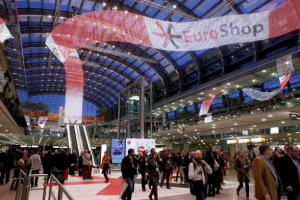
Mannequin Collection Launching at EuroShop 2026
As you may have seen, our sister brands Kesslers London and Genesis Mannequins will be exhibiting at the iconic EuroShop 2026. While Proportion London won’t

Home » The role of visual merchandising in building brand loyalty
Visual merchandising is an incredibly important marketing tactic in building repeat custom and brand loyalty. In fact, according to Visual Merchandising & Store Design, 73% of customers say a good visual merchandising strategy makes them more likely to return.
In this article, we will define visual merchandising, explain what we mean by ‘brand loyalty’, and explore the relationship between the two so we can understand what role visual merchandising plays in building repeat custom and how successful merchandising can build customer loyalty.
Visual merchandising is the strategic presentation of products in a shop in order to attract customers and generate sales. It involves the use of various visual elements such as product displays, signage, lighting, colour schemes, and overall store layout, as well as strategies that incorporate the other senses, to create captivating shopping experiences.
Visual merchandising plays a powerful role in helping to shape consumer behaviour by appealing to their senses and emotions. By strategically engaging the senses, brands can influence consumer decisions at a subconscious level. For instance, a well-designed store layout with visually appealing displays can catch a shopper’s eye, draw them in, and guide their journey through the store, subtly encouraging them to make purchases.
Visual merchandising can also help to create an emotional connection between the customer and the brand. Incorporating strategic elements like colour schemes, lighting, and product arrangement can evoke specific emotions within the customer. This emotional resonance not only enhances the shopping experience but also fosters a deeper bond with the brand, making customers more likely to return.
First impressions are incredibly important within the retail environment, and visual merchandising is key to making a strong impact. Window displays are usually the first touchpoints a customer has with a brand, and they have to immediately steal attention away from competitors and invite customers inside. A good first impression can set the tone for the entire shopping experience, encouraging customers to engage with the brand and ultimately drive sales.
Brand loyalty is represented by repeat purchases from a particular brand or company based on the perception of higher quality and better service than a competitor. Brand loyalty is built over time through consistent positive experiences, trust, and a deep connection to the brand’s values and identity. Loyal customers are more likely to advocate for the brand, engage with its products, and provide long-term value.
Brand loyalty is incredibly important for profits. In fact, 65% of most companies’ revenue comes from repeat business with existing clients. Loyal customers are not only more likely to make repeat purchases, but they also usually spend more over time, and eventually become brand advocates – spreading positive reviews and attracting new customers.
As well as this, brand loyalty reduces marketing costs, as retaining an existing customer is less expensive than acquiring a new one.
Maintaining consistency across visual elements, from your store layout to your product displays, can help to create a cohesive and recognisable brand image that customers can easily recall and associate with your brand.
Storytelling through visual merchandising allows brands to communicate their story and values directly to customers, creating a deeper connection with them. By carefully curating displays and following distinct themes, brands can tell their unique stories and reinforce their message, making it more memorable and meaningful to consumers.
So, we know that successful merchandising can build customer loyalty, but what exactly do we mean by “successful merchandising”? Let’s explore some visual merchandising strategies that can help you boost your brand loyalty.
Seasonal displays tap into the emotions and excitement associated with particular times of the year. Whether it’s a festive holiday arrangement or a back-to-school setup, changing displays with the seasons keeps your store fresh and relevant. This constant refreshment of your visual merchandising makes repeat visits more appealing, as customers will be curious to see what’s new.
Additionally, by aligning your displays with seasonal trends and needs, you can position your products as the perfect solution for customers’ seasonal challenges, further deepening their connection with your brand.
Personalisation is a powerful tool in visual merchandising. Tailoring your displays to reflect the preferences, behaviours, and demographics of your target market demonstrates your dedication and understanding of your audience.
This could involve showcasing products that are popular among specific customers, or creating displays that reflect local culture. For example, incorporating local themes or events can make your displays resonate more with your audience, making them feel seen and understood. Personalised visual merchandising builds a deeper connection with customers, as they feel that your brand caters specifically to their needs and tastes, which in turn can increase their loyalty.
Interactive displays and engagement strategies can significantly enhance customer loyalty. By incorporating elements that encourage customers to interact with your products – such as try-on stations, product demonstrations, or digital screens that allow for customisation – you can make their shopping experience more immersive and enjoyable. Engaged customers are more likely to spend time in your store, make purchases, and return in the future.
A memorable shopping experience is key to building long-term customer loyalty. This goes beyond just having beautiful displays, it’s about creating an environment that customers will remember and want to revisit.
Consider the overall feel of your store: the lighting, music, scent, and layout all contribute to the customer experience. Ensure that your visual merchandising tells a cohesive story that aligns with your brand’s values and appeals to your target market.
In today’s bustling world, customers often interact with brands across multiple channels and integrating online and offline experiences can strengthen customer loyalty. For example, you can use digital displays to highlight online promotions or feature QR codes that lead to exclusive online content or discounts.
It’s important to ensure consistency in your visual messaging across both physical and digital platforms so you can create a seamless customer experience and reinforcing your brand identity. Consistency builds trust.
By strategically applying some of these visual merchandising strategies, you can create a compelling in-store experience that not only attracts customers but also builds long-term loyalty to your brand.
At Proportion London, we are passionate about visual merchandising and helping our customers to reach the full potential of their retail stores. We have a huge collection of mannequins, busts and rails available for purchase or hire, catering to all sorts of requirements.
However, our expertise extends past solely products we offer. We also specialise in crafting engaging displays that enable our clients to boost their brand loyalty and improve return sales.
From retail environments to museum exhibits, we’ve helped a number of different global clients create beautiful, compelling visual displays.
Contact us today to discuss your specific requirements and discover how we can help you.
As you may have seen, our sister brands Kesslers London and Genesis Mannequins will be exhibiting at the iconic EuroShop 2026. While Proportion London won’t

Now 2025 is quickly coming to an end, the team are having a look back at all the iconic moments over the year. Some incredible

2025 was a year filled with exceptional stores, window displays, and of course – fashion. Visual merchandising in London proves every year it is an