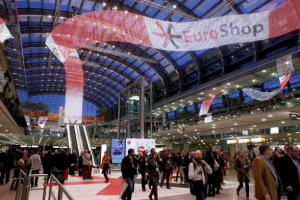
Mannequin Collection Launching at EuroShop 2026
As you may have seen, our sister brands Kesslers London and Genesis Mannequins will be exhibiting at the iconic EuroShop 2026. While Proportion London won’t

Home » What are adjustable mannequins?
If you’re a dressmaker, seamstress, or just like to play around with different fabrics to try and make your own clothes, it’s likely that you know (and maybe even own) an adjustable mannequin. Made with the sole purpose of being able to adjust to different sizes, adjustable mannequins are designed to be used to make different garments for different shapes and sizes.
In this article, we’ll explore what adjustable mannequins are, run through some of their key features, explain their advantages and drawbacks, and run through some of the standard applications of adjustable mannequins! So, let’s get into it,
Adjustable mannequins, otherwise known as adjustable dressmakers dummies, are a type of mannequin, primarily used by fashion designers and seamstresses, that can be modified to work for varying body measurements and proportions.
Adjustable mannequins usually feature dials or mechanisms that allow the user to adjust the size of the bust/ chest, waist, hips, back length and neck size, alongside an adjustable stand that can change the height of the form.
Adjustable mannequins stand out from normal fixed mannequins due to their ability to adapt to various dimensions. They typically include:
These functionalities make adjustable mannequins ideal for tailoring, fitting, and displaying garments with precision.
Adjustable mannequins have a host of different benefits when compared to standard static or fixed mannequins. Ultimately, your choice of mannequin depends on your requirements for use and size, but let’s explore some of the key advantages of adjustable mannequins:
Adjustable mannequins offer unmatched flexibility, precision, and efficiency, making them an indispensable tool for designers, tailors, and dressmakers looking to create garments with accuracy.
Although adjustable mannequins provide numerous benefits, they are not without their challenges. Depending on your specific requirements, there are some potential drawbacks to consider:
Despite their versatility, the drawbacks of adjustable mannequins may make them less suitable for certain tasks or budgets, highlighting the importance of choosing the right mannequin for your specific needs.
While adjustable mannequins have significant benefits, they definitely aren’t for everyone. Deciding on whether or not you require an adjustable mannequin depends on the industry you are in and the requirements of the mannequin.
To help you make this decision, let’s take a look at some of the industries that adjustable mannequins are widely in:
While adjustable mannequins are essential for industries like fashion design, tailoring, and education, they may not be the best choice for retail stores or museums, where fixed mannequins often provide the stability and aesthetic appeal required for long-term displays.
Yes, just like their non-customisable counterparts, adjustable mannequins are available in a variety of finishes, materials, and styles to meet specific needs. For example, adjustable mannequins can come in a number of different materials. Common materials include fibreglass, plastic, and fabric-covered papier-mache. Each offers unique advantages, such as durability, weight, or a realistic appearance. Many mannequins are covered in fabric like calico, offering a neutral surface for pinning or draping fabric during the design process.
On top of a choice of material, many adjustable mannequins also come with the options of adding fixed, padded, or wooden articulated arms, and even a head, allowing users to adjust poses for added versatility.
If you’re in search of high-quality mannequins, Proportion London offers a range of expertly crafted options. Our Workroom Collection is specifically designed for dressmakers, designers, and seamstresses, featuring classic bust forms made using traditional papier-mache techniques and covered in calico. While these mannequins are not adjustable as standard, we provide bespoke services to meet unique requirements.
With decades of experience, we work with clients across the globe, from high-street retailers to luxury boutiques and world-renowned museums. Whether you need a mannequin for design, display, or bespoke customisation, Proportion London can provide a solution tailored to your needs. Discover more about our collections or contact us to explore custom options today.
As you may have seen, our sister brands Kesslers London and Genesis Mannequins will be exhibiting at the iconic EuroShop 2026. While Proportion London won’t

Now 2025 is quickly coming to an end, the team are having a look back at all the iconic moments over the year. Some incredible

2025 was a year filled with exceptional stores, window displays, and of course – fashion. Visual merchandising in London proves every year it is an